
Sustainability

Less Waste
in the System

In food manufacturing, sustainability is mostly an efficiency problem. Material that isn't sourced, freight that isn't run, product that isn't reworked, and energy that isn't wasted are all the same thing: resources that didn't have to be spent. Our approach starts there — with the operational decisions we make every day, not with a pledge.

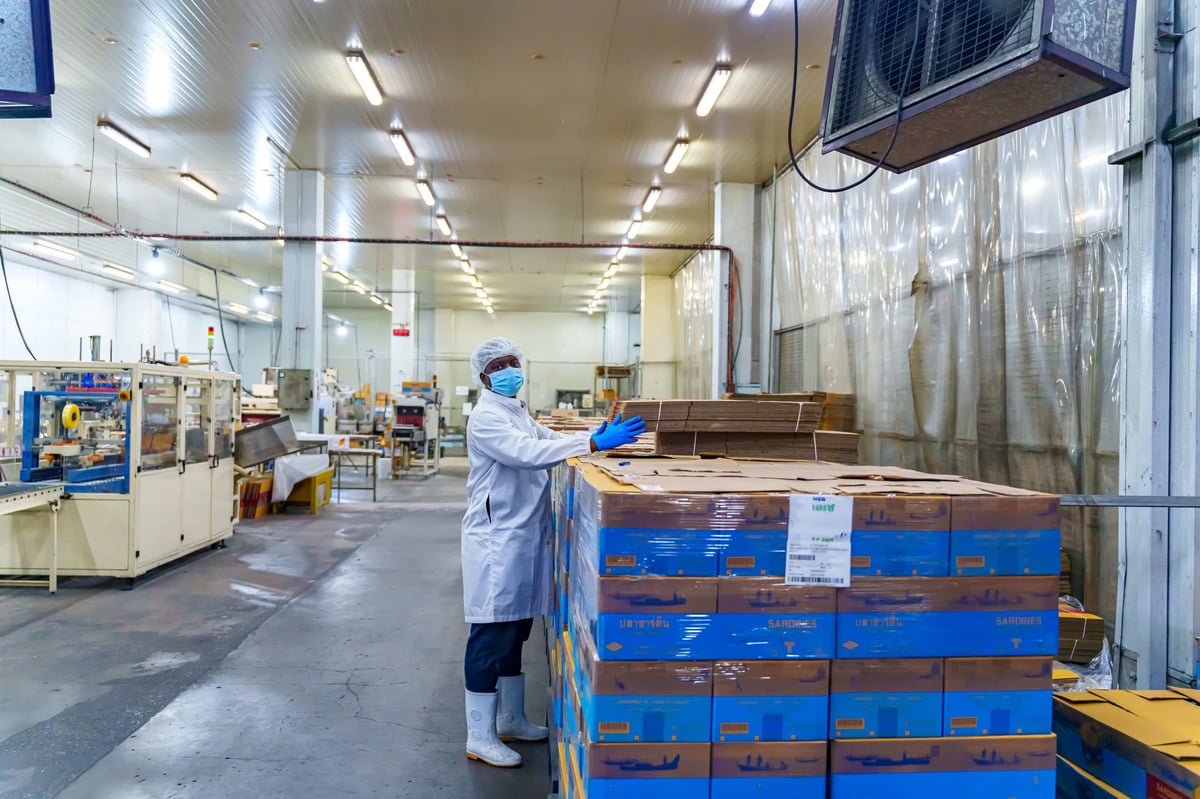
Worker in hairnet, mask, and gloves beside stacked finished cases in a clean industrial facility
Where It Shows Up

Six Places We Focus

These are the areas where manufacturing decisions have a real environmental consequence — and where we can act on them.

Packaging & Material Efficiency

We work with customers to right-size packaging for the product and the channel — because material that isn't needed in the first place doesn't have to be sourced, shipped, stored, or discarded. Where a customer's program calls for recyclable or reduced-material formats, we coordinate that through packaging procurement so it's specified from the start rather than retrofitted later.

  • Right-sizing package formats to the product
  • Coordinating recyclable or reduced-material options
  • Reducing over-packaging in case and pallet configuration
Consolidated Freight & Fewer Miles

Every vendor a customer removes from their supply chain is freight that no longer has to move between facilities. Consolidating sourcing, processing, packaging, and warehousing under one roof reduces the number of separate shipments a finished product depends on — and with them, the fuel and emissions those movements would otherwise represent.

  • Consolidated purchasing and inbound freight
  • Production and warehousing in one location
  • Coordinated outbound shipping and load planning

Waste Reduction in Production

Consistent, specification-driven production produces less rework, fewer rejected runs, and less product lost to changeovers and errors. Documented specifications and in-process quality checks exist as much to prevent waste as to protect quality — the two are the same problem viewed from different angles.

  • Specification-driven production to reduce rework
  • In-process checks to catch issues before a full run
  • Planning changeovers to limit product and material loss

Energy & Process Efficiency

Manufacturing processes — particularly freeze-drying and dehydration — are energy-intensive by nature. We approach efficiency as an ongoing operational discipline: running equipment purposefully, planning production to avoid unnecessary start-stops, and improving throughput per unit of energy as the operation develops.

  • Production planning to reduce unnecessary equipment cycles
  • Throughput improvements per unit of energy
  • Ongoing review of process efficiency as the operation grows

Sanitation & Water Use

Food safety requires thorough sanitation, and sanitation requires water and energy. We treat those requirements as non-negotiable — the goal is to meet them efficiently, not to cut corners against them. Clean production environments and defined sanitation procedures come first.

  • Sanitation procedures that meet food-safety requirements
  • Efficient use of water and cleaning resources
  • No compromise of food safety for resource savings

Inventory & Shelf-Life Efficiency

Excess inventory ties up capital and eventually becomes waste. Inventory planning and recurring production programs help customers carry less stock, produce closer to actual demand, and reduce the amount of product that ages out before it ships.

  • Inventory planning to reduce overstock
  • Recurring production closer to demand
  • Less product lost to shelf-life expiry
Where We Stand

No Numbers We Can't Back Up

You'll notice this page doesn't carry a carbon-neutral badge, a percentage reduction target, or a net-zero date. We haven't published figures we can't substantiate, and we'd rather be honest about that than decorate the site with claims that don't hold up under scrutiny.

What we can tell you is how we operate: we look for waste in the system, consolidate what can be consolidated, specify packaging to fit the product, and keep improving efficiency as the operation develops. Those are operational commitments, not marketing positions.

As Northridge grows, we intend to measure what we do and publish what we find. When there are real numbers to share, they'll appear here.

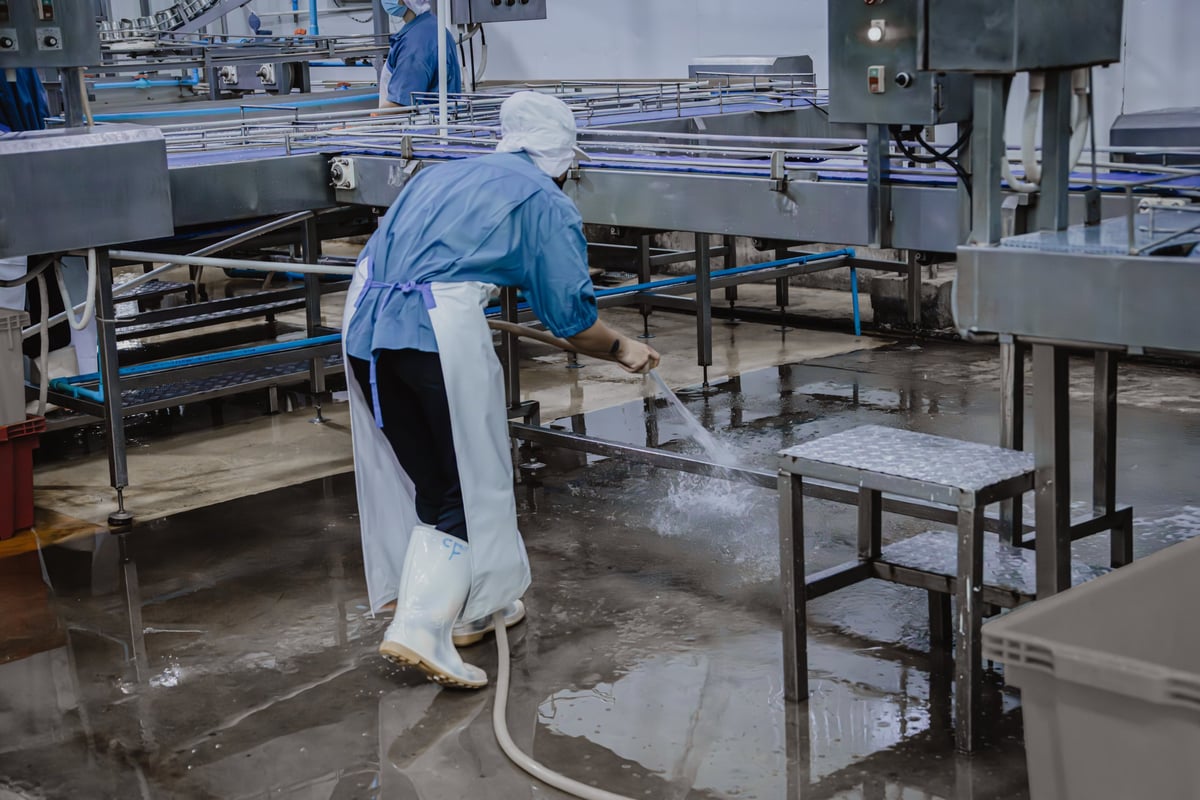
Plant workers cleaning a production line conveyor belt in a food manufacturing facility

Efficiency is the first lever

Before any initiative, the biggest environmental gains in food manufacturing come from not wasting inputs: not over-ordering ingredients, not running unnecessary equipment cycles, not producing to a specification that causes rework, and not shipping product that will be discarded.

Consolidation is the second lever

A customer who replaces eight vendor relationships with one removes seven sets of inbound and outbound freight from their supply chain. That consolidation is the service Northridge sells — and it happens to be one of the more meaningful reductions available to a food brand.

Packaging is the third lever

Packaging is often the most visible part of a product's footprint and the easiest to over-specify. Because we coordinate packaging procurement, we can help customers choose formats that fit the product and the retail channel rather than defaulting to the heaviest option.

For Your Brand

Sustainability as a Manufacturing Decision

If your retail customers, distributors, or end consumers are asking about the environmental profile of your products, a large part of the answer lives in how and where they're manufactured. Bring us your requirements and we'll work through what's achievable within your product and budget.

Reduced-material or recyclable packaging formats
Right-sized package options for your channel
Consolidated sourcing to cut inbound freight
Production planning that reduces overstock
Recurring runs aligned to actual demand
Specification discipline to limit rework

Have sustainability requirements in your spec?

Include them with your quote request — packaging formats, material preferences, reporting needs — and we'll tell you honestly what we can and can't support today.